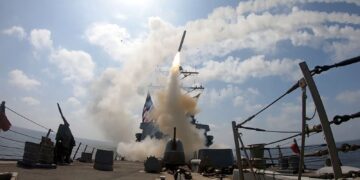

















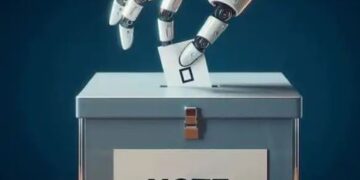























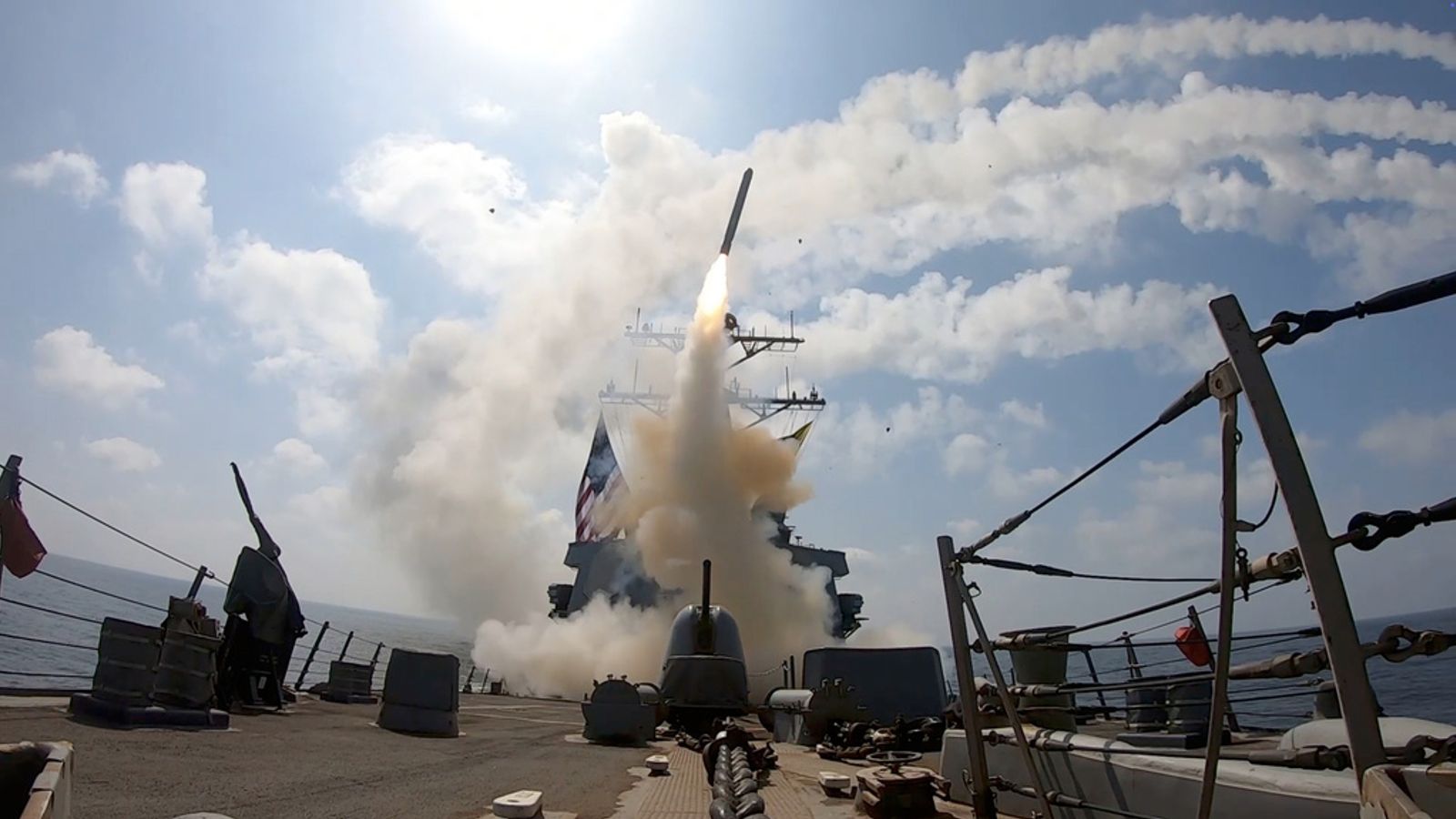
Artificial Intelligence (AI) could potentially give the United States a lethal edge in a potential war with Iran. The use of AI in military operations has the potential to enhance decision-making, improve targeting accuracy, and increase overall efficiency on the battlefield. In a conflict with Iran, AI could provide the US military with a significant advantage, allowing for quicker responses to threats and more precise execution of military strategies.
One of the key benefits of AI in warfare is the ability to process large amounts of data quickly and accurately. This can help military commanders make informed decisions in real-time, based on the most up-to-date information available. In a conflict with Iran, where the situation on the ground can change rapidly, AI could help the US military stay ahead of the curve and adapt to changing circumstances more effectively.
Furthermore, AI can also be used to improve the accuracy of targeting systems, reducing the risk of collateral damage and civilian casualties. This precision targeting capability could be crucial in a conflict with Iran, where the potential for civilian harm is a significant concern. By using AI to improve targeting accuracy, the US military could minimize the unintended consequences of its military actions and reduce the overall human cost of war.
However, despite the potential benefits of AI in warfare, there are also significant dangers associated with its use. One of the main concerns is the potential for AI systems to make mistakes or malfunction, leading to unintended consequences or even catastrophic outcomes. In a high-stakes conflict with Iran, where the margin for error is slim, any failure of AI systems could have devastating consequences for both military personnel and civilians.
Another major concern is the ethical implications of using AI in warfare. The use of AI in military operations raises complex moral and legal questions, particularly when it comes to issues such as the autonomy of AI systems and the responsibility for their actions. In a conflict with Iran, where the lines between combatants and non-combatants can be blurred, the use of AI in warfare raises important questions about the ethical conduct of military operations and the protection of human rights.
In conclusion, while AI could potentially give the United States a lethal edge in a conflict with Iran, there are significant dangers and ethical concerns associated with its use. As AI technology continues to advance and become more integrated into military operations, it is essential for policymakers, military leaders, and society as a whole to carefully consider the implications of using AI in warfare and to ensure that its use is guided by ethical principles and respect for human rights.