









































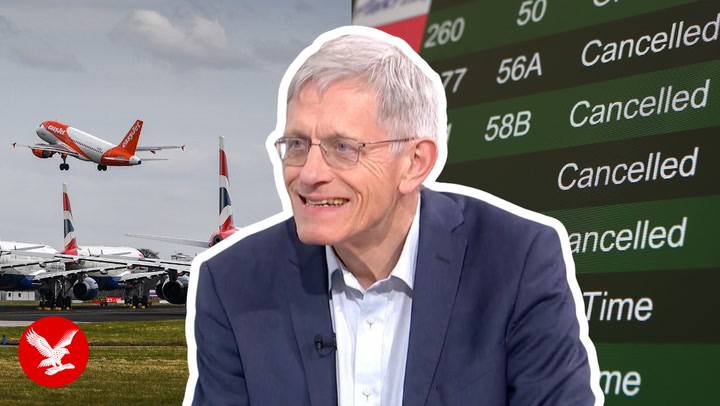
Holidaymakers around the world are facing uncertainty as flight cancellations, fuel shortages, and rising costs become a reality in the wake of the US-Israeli attack on Iran and the subsequent reprisals. With jet fuel prices soaring, travelers are left wondering what to do if their flight is cancelled. Travel expert Simon Calder has some advice for those affected by these disruptions.
According to Calder, the first step is to check the status of your flight. Airlines are required to notify passengers of cancellations, but it’s always a good idea to stay informed by checking the airline’s website or contacting them directly. If your flight is cancelled, don’t panic. Airlines are obligated to offer you a refund or alternative flight options.
In some cases, airlines may offer to rebook you on another flight or provide compensation for the inconvenience. It’s important to know your rights as a passenger and to communicate with the airline to find a solution that works for you. Keep all documentation related to your flight, including booking confirmations and receipts, in case you need to file a claim for compensation.
If you’re stranded at the airport due to a cancelled flight, Calder recommends staying calm and being proactive. Check with airline staff for information on alternative flights, accommodations, and meal vouchers. You may also want to consider booking a hotel room or finding alternative transportation if necessary.
In the event of a fuel shortage, airlines may be forced to cancel flights or make last-minute changes to their schedules. It’s important to stay flexible and patient as airlines work to accommodate affected passengers. Keep in mind that safety is always the top priority, and airlines will do their best to ensure that passengers reach their destinations safely.
Overall, the key to dealing with flight cancellations and other travel disruptions is to stay informed, know your rights, and communicate effectively with the airline. By following these tips from Simon Calder, travelers can navigate the challenges of uncertain times and minimize the impact of flight cancellations on their travel plans.