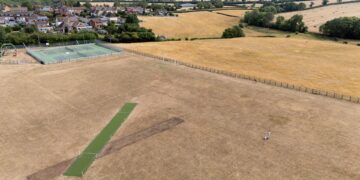









































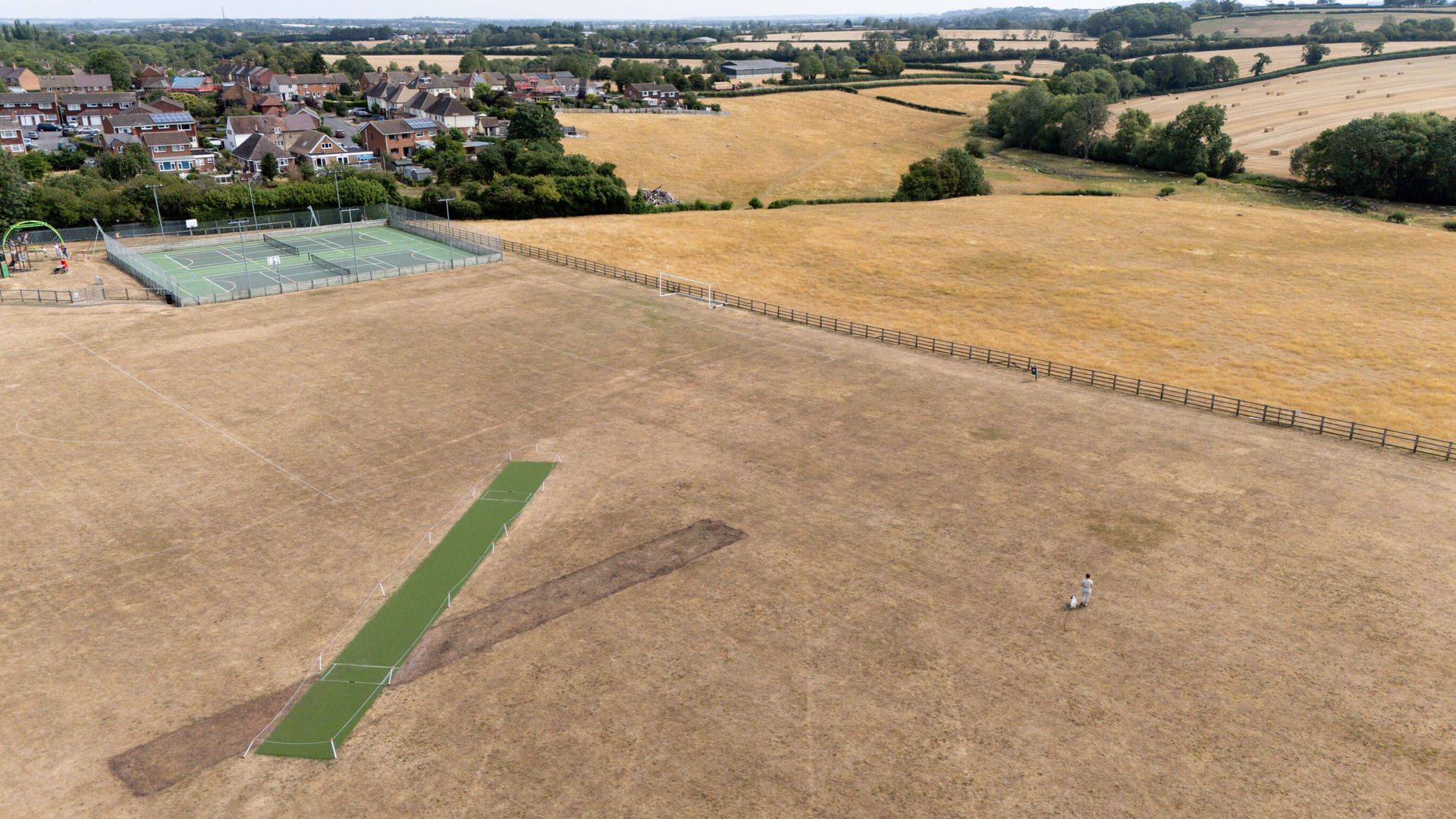
Eight areas of England are currently at risk of drought, according to the Environment Agency. This warning comes as Britain’s largest water company has implemented a hosepipe ban affecting over 10 million residents. The ongoing heatwave and lack of significant rainfall have contributed to the dry conditions in these regions.
The areas at risk of drought include East Anglia, the South East, the Midlands, Yorkshire, South West, and parts of the North West. Water levels in reservoirs and rivers have been steadily decreasing, prompting concerns about water scarcity in these regions. The Environment Agency has urged residents to use water wisely and conserve it whenever possible.
The impact of drought can be far-reaching, affecting not only households but also agriculture, industry, and the environment. Farmers may face challenges in irrigating their crops, leading to potential crop failures and food shortages. Industries that rely on water for production processes may also be impacted, leading to economic losses.
In addition to the hosepipe ban, water companies are exploring other measures to manage water resources effectively. This includes reducing leakage in water networks, implementing water-saving initiatives, and exploring alternative water sources such as desalination and recycling.
The government has also been urged to take action to address the issue of water scarcity in the affected regions. This may include investing in infrastructure to improve water storage and distribution, as well as implementing policies to promote water conservation and efficiency.
Climate change is expected to exacerbate the challenges of water scarcity in the future. Rising temperatures and changing weather patterns are likely to increase the frequency and severity of droughts in the UK. This highlights the importance of proactive measures to safeguard water resources and ensure sustainable water management practices.
As the risk of drought continues to grow in England, it is crucial for residents, businesses, and policymakers to work together to address this pressing issue. By taking steps to conserve water, reduce wastage, and invest in water infrastructure, we can help mitigate the impacts of drought and build resilience in the face of climate change.