







































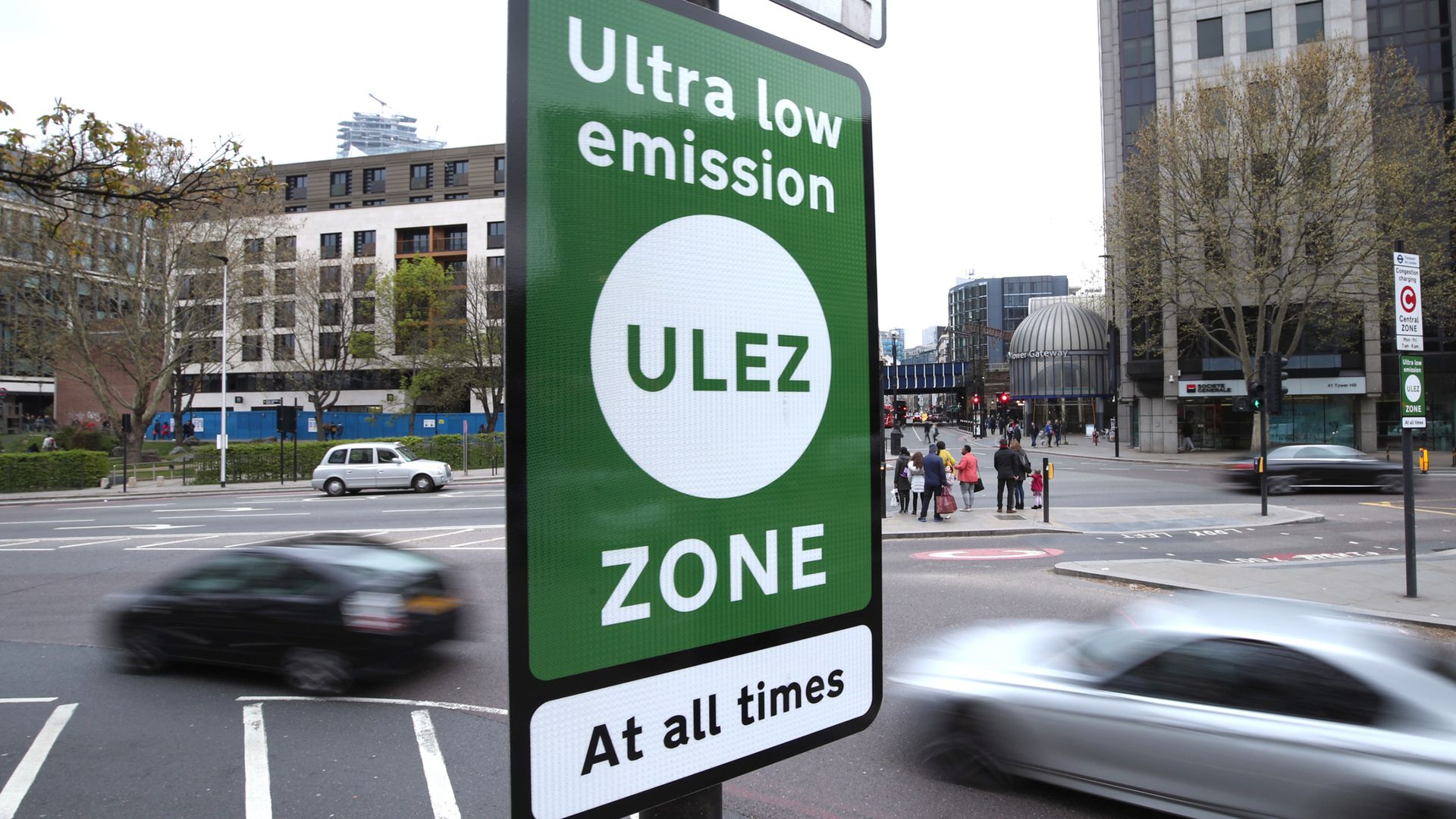
London’s ultra-low emission zone (ULEZ) has been a hot topic of debate ever since its implementation in 2019. Now, a new study has provided some interesting insights into the effects of this initiative on children’s health. According to the research, the ULEZ has been linked to an improvement in children’s lung growth, a finding that has been welcomed by London Mayor Sadiq Khan.
The study, which was conducted by researchers at King’s College London, analyzed data from over 2,000 children living in areas affected by the ULEZ. The results showed that children living in these areas experienced a significant increase in lung capacity compared to those living in areas not covered by the ULEZ. This improvement in lung growth is believed to be due to the reduction in air pollution levels brought about by the ULEZ.
Mayor Khan has hailed the findings of the study as proof that the ULEZ is having a positive impact on the health of Londoners, particularly children. He stated that the research “proves we were right” in implementing the ULEZ and that it is crucial to continue efforts to improve air quality in the city.
The ULEZ was introduced as part of a wider strategy to tackle air pollution in London and reduce harmful emissions from vehicles. Under the scheme, drivers of older, more polluting vehicles are required to pay a daily charge to enter the ULEZ zone, which covers central London and aims to encourage the use of cleaner, more environmentally friendly vehicles.
Critics of the ULEZ have raised concerns about the impact of the scheme on low-income families and businesses, arguing that it could place an additional financial burden on those who can least afford it. However, supporters of the ULEZ argue that the health benefits of reducing air pollution far outweigh any potential drawbacks.
The results of the study are likely to reignite the debate surrounding the ULEZ and its effectiveness in improving air quality in London. While it is clear that the ULEZ has had a positive impact on children’s lung growth, the question remains as to whether this will translate into long-term health benefits for Londoners as a whole.
As the city continues to grapple with the issue of air pollution, Mayor Khan has reaffirmed his commitment to taking bold action to improve air quality and protect the health of Londoners. The findings of this study will undoubtedly play a key role in shaping future policies and initiatives aimed at reducing emissions and creating a cleaner, healthier environment for all residents of the city.