










































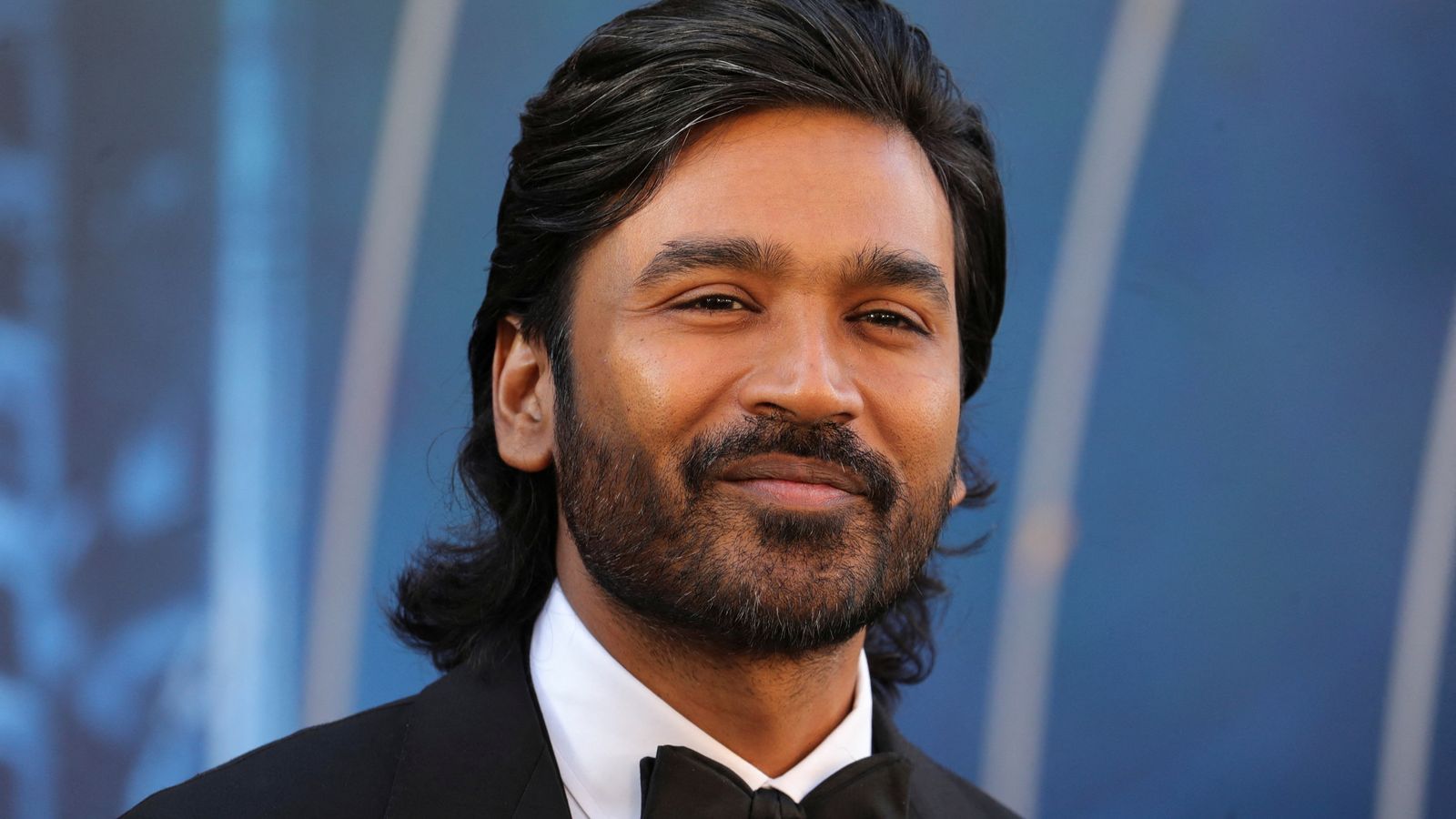
Actor Dhanush has criticized the decision to alter the ending of the hit film Raanjhanaa for its re-release using artificial intelligence technology. The Indian actor, known for his work in both Bollywood and Tamil cinema, expressed his disapproval of the AI-altered ending during a recent interview.
Raanjhanaa, directed by Aanand L. Rai, was originally released in 2013 and received critical acclaim for its storytelling and performances. The film starred Dhanush in the lead role, alongside Sonam Kapoor and Abhay Deol. It explored themes of love, sacrifice, and redemption, resonating with audiences across India.
The decision to use AI technology to alter the ending of Raanjhanaa for its re-release has sparked debate among fans and industry professionals alike. While some believe that this move could attract a new audience to the film, others, including Dhanush, feel that it undermines the original vision of the filmmakers.
In his interview, Dhanush expressed his belief that the integrity of a film should be respected and that altering the ending through AI technology could compromise the artistic integrity of the project. He emphasized the importance of preserving the director’s vision and the emotional impact of the story on viewers.
Dhanush’s criticism of the AI-altered ending for Raanjhanaa highlights the ongoing debate surrounding the use of technology in filmmaking. While AI can offer new possibilities for storytelling and visual effects, it also raises questions about artistic authenticity and creative control.
As an actor with a diverse body of work spanning different genres and languages, Dhanush’s perspective on the issue carries weight within the Indian film industry. His comments have sparked discussions among fans and industry insiders about the role of technology in shaping the future of cinema.
Ultimately, the controversy surrounding the AI-altered ending for Raanjhanaa serves as a reminder of the importance of artistic vision and storytelling in filmmaking. While technology can enhance the cinematic experience, it should not overshadow the creative vision of the filmmakers and the emotional impact of their stories on audiences.