










































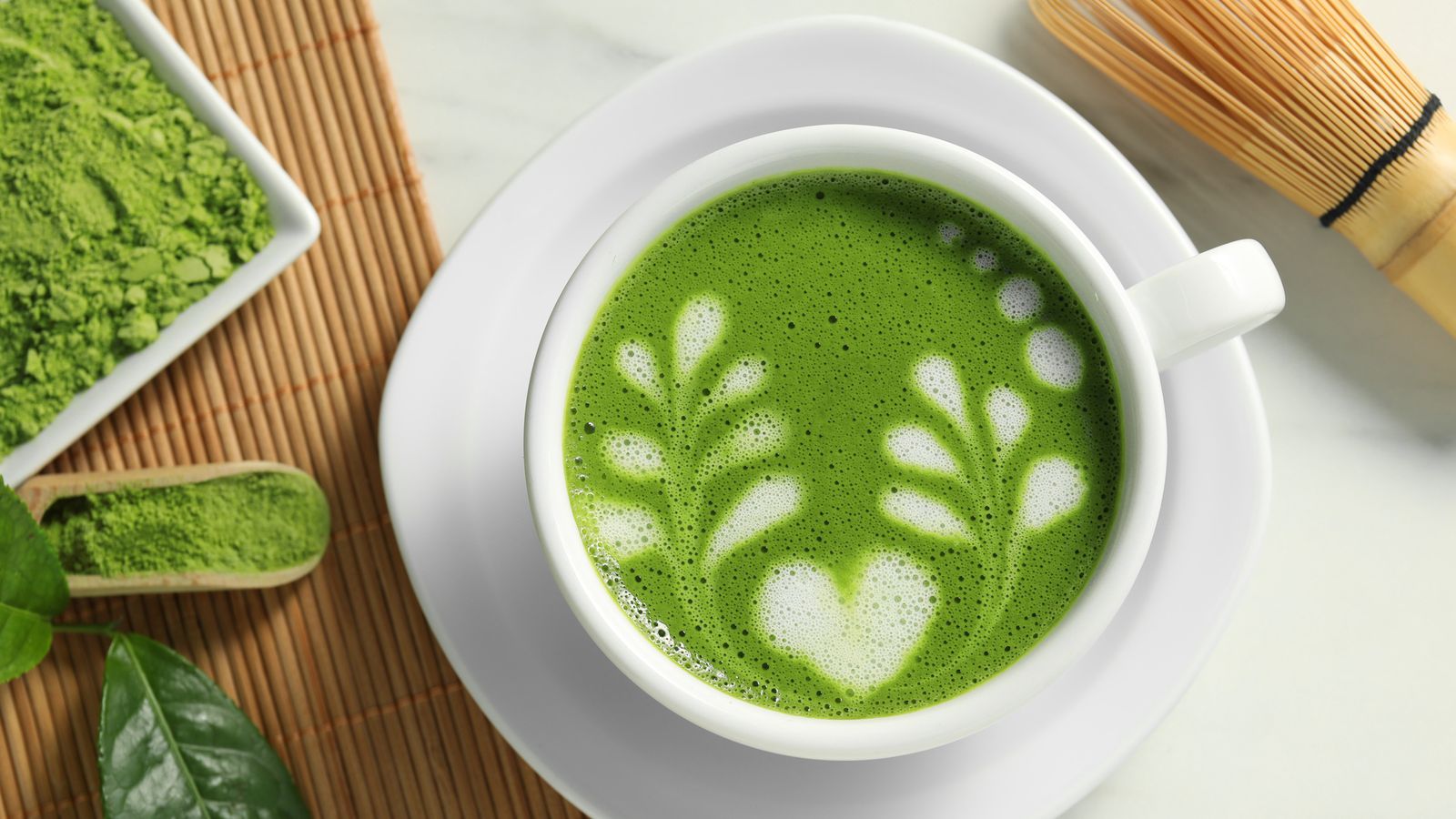
Matcha, a type of powdered green tea, has gained popularity in recent years for its potential health benefits. However, some social media users have raised concerns about the link between matcha consumption and iron deficiency. In particular, there have been reports of individuals ending up in the hospital after consuming excessive amounts of matcha.
Iron deficiency is a common nutritional disorder that can lead to symptoms such as fatigue, weakness, and pale skin. Iron is an essential mineral that plays a crucial role in the body’s ability to transport oxygen and produce energy. When levels of iron in the body are low, it can result in anemia, a condition in which the body does not have enough healthy red blood cells to carry oxygen to the body’s tissues.
Matcha has been identified as a potential risk factor for iron deficiency due to its high content of tannins. Tannins are compounds that can interfere with the body’s ability to absorb iron from food. This means that individuals who consume large amounts of matcha may be at risk of developing iron deficiency if they do not also consume enough iron-rich foods in their diet.
Certain groups of people may be more at risk of developing iron deficiency from consuming matcha. For example, pregnant women, who have higher iron requirements due to the demands of pregnancy, may be particularly vulnerable to developing iron deficiency if they consume excessive amounts of matcha. Additionally, individuals who already have low iron levels or who follow a vegetarian or vegan diet, which can be lower in iron-rich foods, may also be at increased risk.
It is important for individuals who consume matcha regularly to be aware of the potential risks of iron deficiency and to take steps to ensure they are getting enough iron in their diet. This can include incorporating iron-rich foods such as lean meats, poultry, fish, beans, and leafy green vegetables into their meals. If someone suspects they may have iron deficiency, they should consult with a healthcare professional for proper diagnosis and treatment.
In conclusion, while matcha can be a healthy addition to a balanced diet, it is important to be mindful of its potential impact on iron levels in the body. By being aware of the link between matcha and iron deficiency and taking steps to maintain adequate iron intake, individuals can enjoy the benefits of matcha while minimizing the risk of developing nutritional deficiencies.