









































Measles is a highly contagious viral infection that can lead to serious complications, especially in young children. Knowing the symptoms of measles is crucial in order to seek medical attention promptly and prevent the spread of the virus.
One of the first symptoms of measles is a high fever, which can reach up to 104 degrees Fahrenheit. This is often accompanied by a runny nose, cough, and red, watery eyes. A few days after these initial symptoms appear, small white spots may develop inside the mouth.
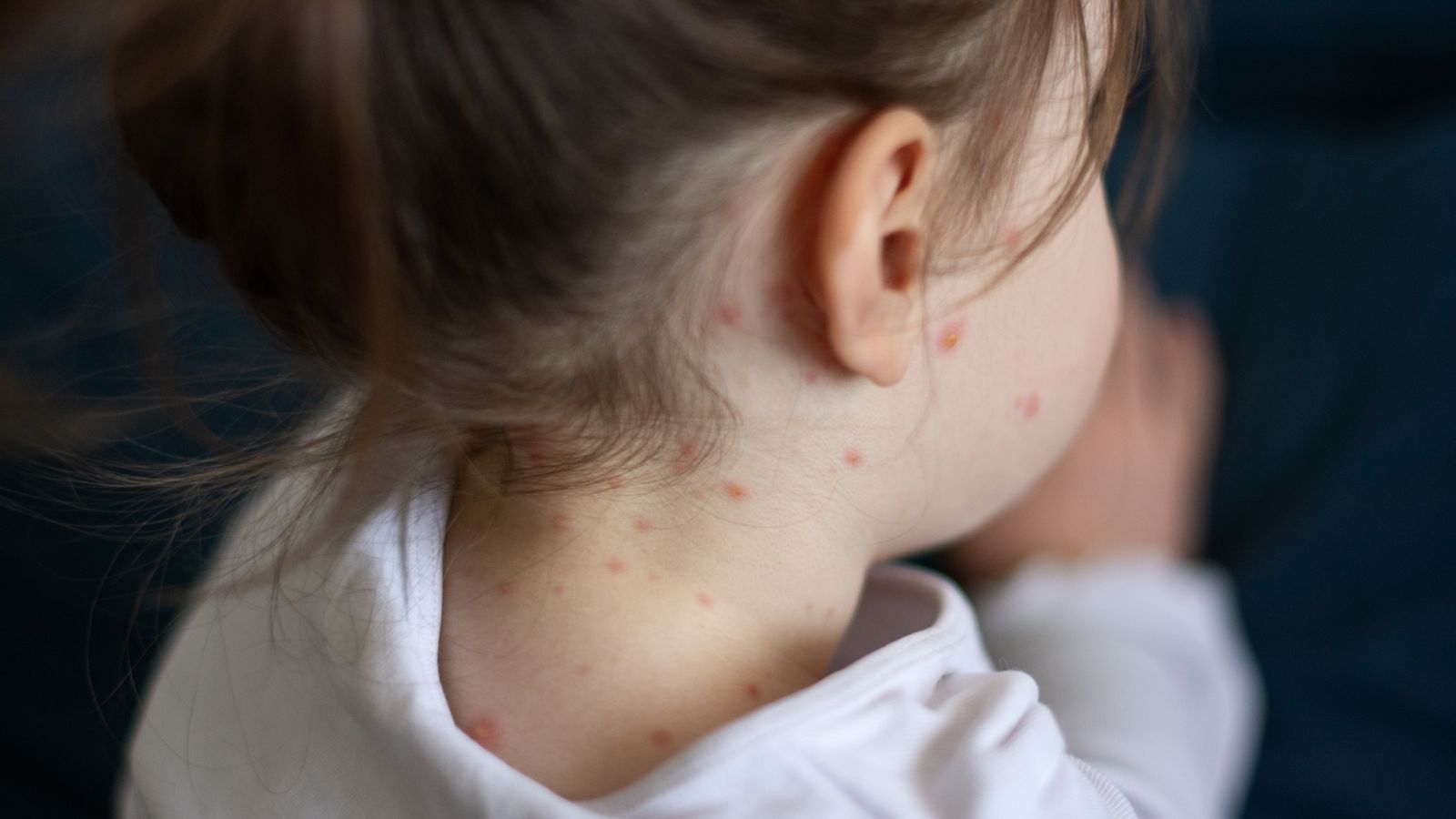
A characteristic rash is another telltale sign of measles. This rash usually begins on the face and spreads down the body, lasting for about a week. The rash consists of small red spots that may merge together.
If you suspect that your child has measles, it is important to contact your healthcare provider immediately. Measles is highly contagious and can spread through coughing and sneezing. To prevent the virus from spreading to others, it is important to isolate the infected person and avoid contact with others.
In some cases, complications from measles can be severe, especially in young children. These can include pneumonia, encephalitis (swelling of the brain), and even death. Vaccination is the best way to prevent measles and protect against these serious complications.
If your child is diagnosed with measles, your healthcare provider may recommend supportive care to alleviate symptoms. This can include rest, fluids, and fever-reducing medication. It is important to follow your healthcare provider’s instructions closely and monitor your child’s symptoms carefully.
Measles outbreaks can occur in communities where vaccination rates are low. It is important to ensure that your child is up to date on all recommended vaccinations to protect against measles and other preventable diseases.
By being aware of the symptoms of measles and taking prompt action if you suspect infection, you can help prevent the spread of the virus and protect your child’s health. If you have any concerns about measles or vaccination, speak to your healthcare provider for guidance and information.