








































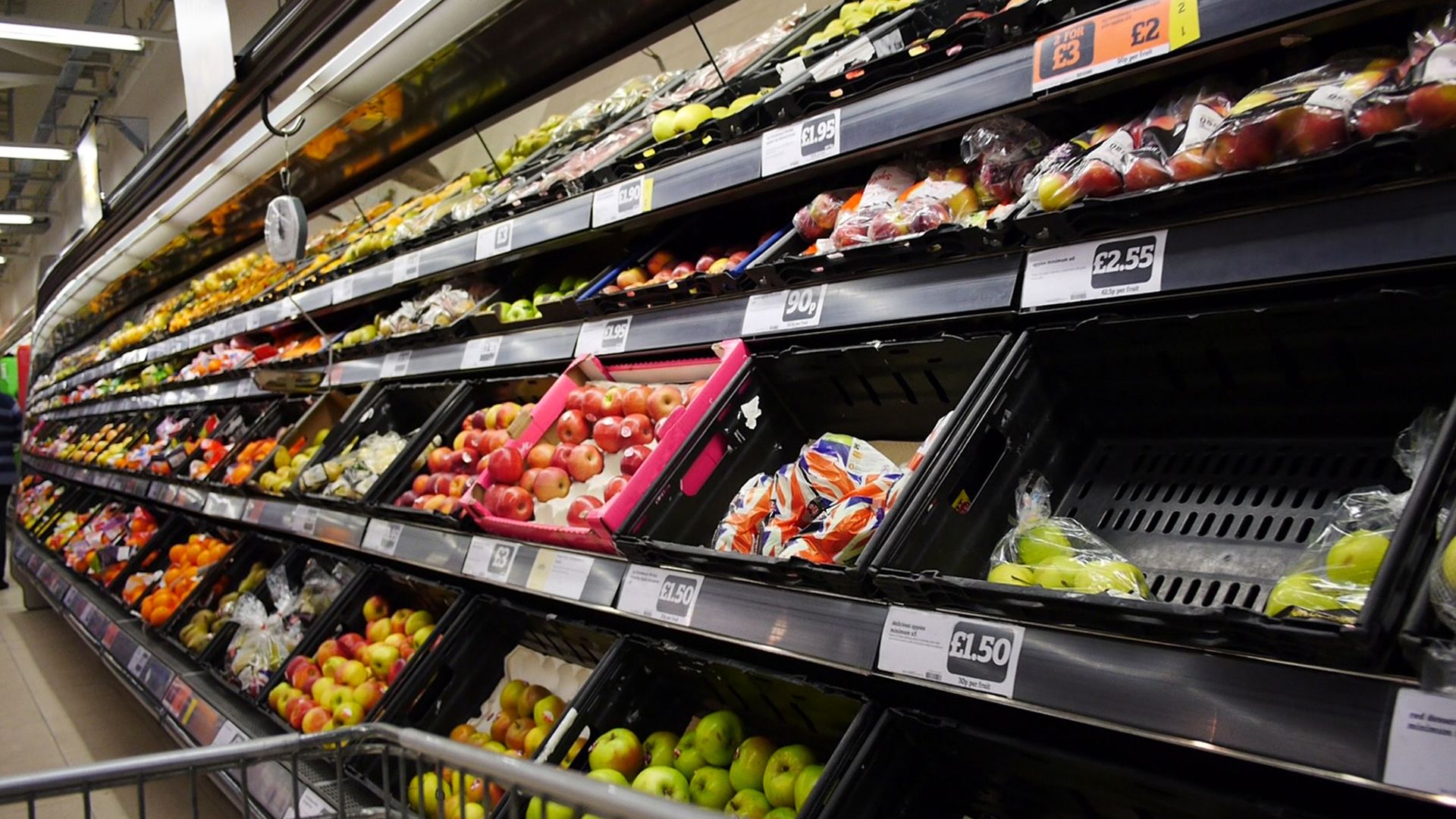
Higher food and fuel prices could continue for an extended period of time even after the Iran war comes to an end, according to a statement made by a minister. The government is now taking measures to counteract the potential effects on food and fuel supplies.
The ongoing conflict in Iran has already resulted in a significant increase in prices for essential goods such as food and fuel. This has put a strain on consumers and businesses alike, with many struggling to afford basic necessities.
The minister’s revelation that these higher prices could persist for more than eight months after the war ends comes as a stark warning to the public. It indicates that the repercussions of the conflict may be long-lasting and far-reaching.
Efforts are being made by the government to mitigate the impact of these rising costs on the population. Measures such as increasing support for low-income households and investing in alternative sources of energy are being considered to alleviate the pressure on consumers.
However, despite these efforts, the prospect of enduring high prices for an extended period of time is a concerning reality for many. The uncertainty surrounding the duration of these price hikes adds to the anxiety and financial strain experienced by individuals and families.
Businesses are also feeling the effects of the escalating costs, with many struggling to maintain profitability in the face of rising expenses. The uncertainty surrounding the duration of these price increases makes it difficult for businesses to plan for the future and make informed decisions.
The minister’s warning serves as a reminder of the interconnectedness of global events and their impact on everyday life. The conflict in Iran has far-reaching consequences that extend beyond the battlefield, affecting the economy and the livelihoods of individuals around the world.
As the government works to address the challenges posed by higher food and fuel prices, it is crucial for individuals and businesses to adapt and find ways to navigate the uncertain economic landscape. Planning ahead and seeking alternative solutions may help mitigate the impact of these ongoing price increases.
In conclusion, the revelation that higher food and fuel prices could persist for more than eight months after the Iran war ends highlights the need for proactive measures to address the economic challenges ahead. The government’s efforts to support the population and offset the potential impacts of the conflict are essential in navigating this uncertain period.