




































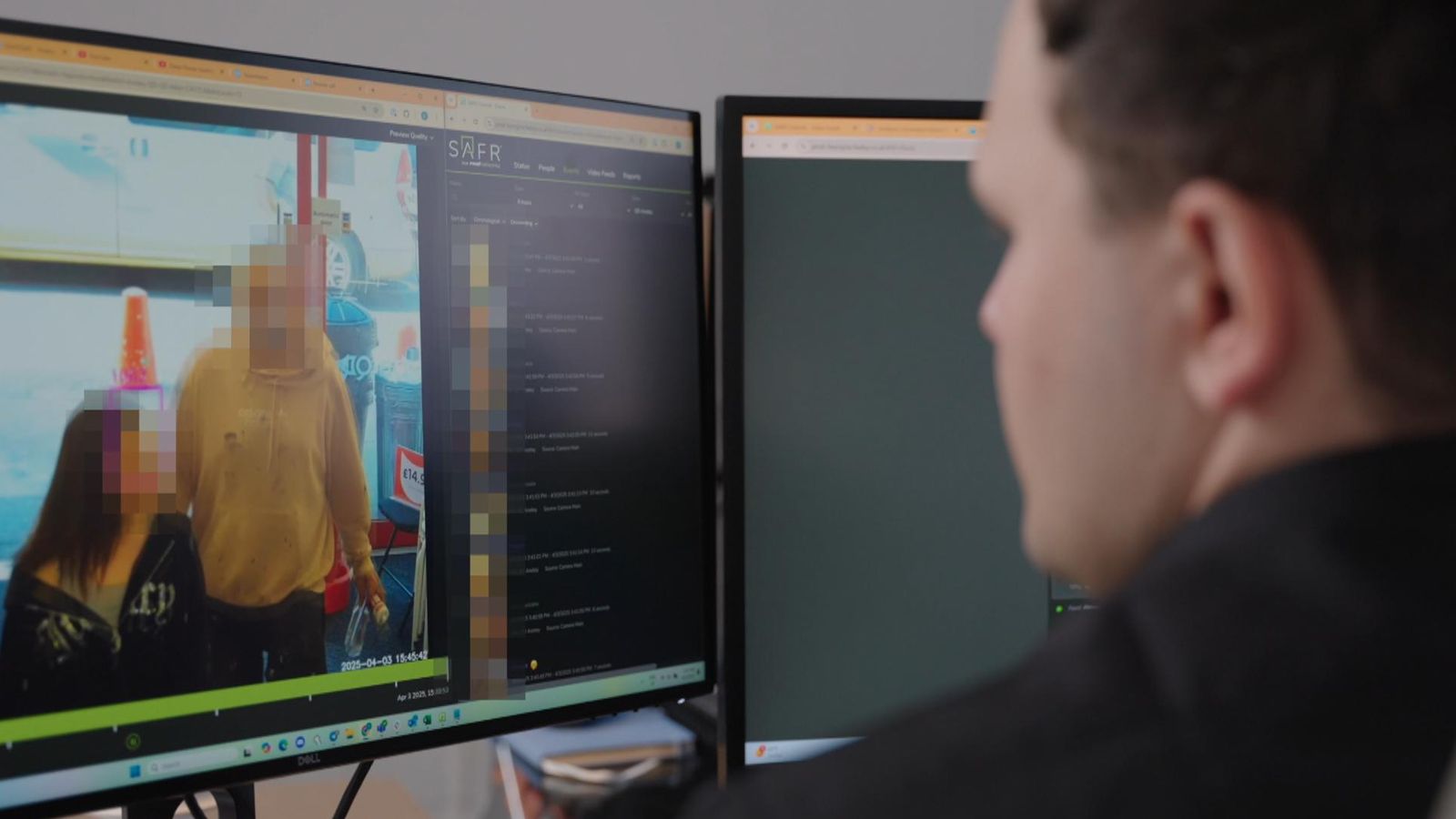
Facewatch: The controversial tech that retailers have deployed to tackle shoplifting and violence is a system that has been implemented by various retailers in an effort to combat theft and violence in their stores. This technology, developed by a UK-based company, uses facial recognition software to identify individuals who have been previously involved in criminal activities and have been banned from entering certain stores.
The system works by scanning the faces of customers as they enter the store and comparing them to a database of known offenders. If a match is found, store security is alerted, and appropriate action can be taken to prevent any further incidents from occurring. This has raised concerns among privacy advocates, who argue that the use of facial recognition technology infringes on individuals’ rights to privacy and could lead to false identifications.
Despite these concerns, many retailers have embraced Facewatch as a way to improve the safety and security of their stores. By identifying and banning repeat offenders, they hope to deter future criminal activity and create a safer shopping environment for both customers and employees. Some have even reported a decrease in theft and violence since implementing the system, although the long-term impact remains to be seen.
Critics of Facewatch argue that the technology is not foolproof and can lead to misidentifications, potentially resulting in innocent individuals being wrongly accused of criminal activity. They also raise concerns about the lack of transparency surrounding the use of facial recognition technology and the potential for misuse by authorities.
In response to these criticisms, the developers of Facewatch have stated that the system is designed to be used in a responsible and ethical manner, with strict guidelines in place to prevent abuse. They emphasize that the technology is meant to enhance, rather than replace, traditional security measures and that it is ultimately up to individual retailers to decide how best to use the system in their stores.
As the debate over the use of facial recognition technology in retail settings continues, it is clear that Facewatch has sparked both interest and controversy. While some see it as a valuable tool in the fight against crime, others remain skeptical of its effectiveness and concerned about its implications for privacy and civil liberties. Only time will tell how this technology will shape the future of retail security.