










































Three new Ebola cases declared in Uganda
Three new cases of Ebola have been declared in Uganda, bringing the total number of confirmed cases in the current outbreak there to five. The outbreak was first reported in the western district of Kasese, near the border with the Democratic Republic of Congo. The three new cases were confirmed to be relatives of a 5-year-old boy who died of the virus earlier in the week.
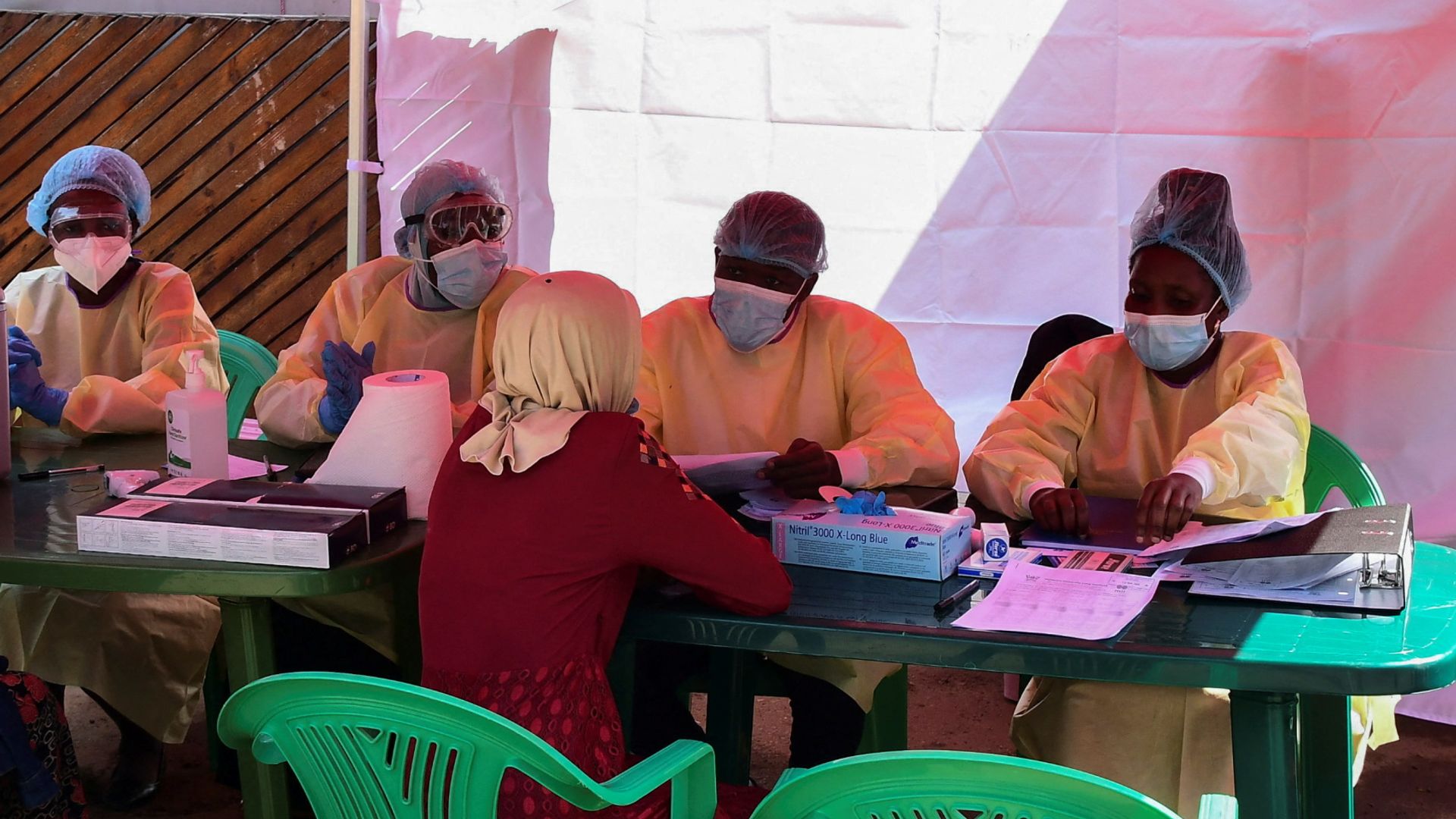
Health officials in Uganda are working tirelessly to contain the Ebola outbreak and prevent it from spreading further. They have identified and isolated individuals who came into contact with the infected patients and are monitoring them for any symptoms of the virus. In addition, they have set up screening centers at border crossings to detect and prevent the spread of Ebola to neighboring countries.
The World Health Organization (WHO) has deployed a team to Uganda to support the government’s efforts in controlling the outbreak. They are providing technical assistance, supplies, and expertise to help contain the virus and prevent a large-scale epidemic. The WHO has also issued a statement urging neighboring countries to be on high alert and strengthen their preparedness measures for a potential spread of the virus.
Ebola is a highly contagious virus that causes severe illness and has a high mortality rate. It is spread through direct contact with the bodily fluids of infected individuals or through contact with contaminated surfaces. Symptoms of Ebola include fever, severe headache, muscle pain, fatigue, diarrhea, vomiting, and hemorrhage.
The current outbreak in Uganda is a stark reminder of the ongoing threat of Ebola in the region. The proximity of the outbreak to the border with the Democratic Republic of Congo, where a separate Ebola outbreak is ongoing, poses a significant risk of cross-border transmission. Health officials are working diligently to prevent the spread of the virus and protect the health and safety of the population.
The declaration of three new Ebola cases in Uganda underscores the importance of strong surveillance, rapid response, and effective containment measures in controlling infectious disease outbreaks. The collaboration between local health authorities, international organizations, and the community is crucial in preventing the further spread of Ebola and minimizing its impact on public health.
As the situation continues to evolve, health officials in Uganda are closely monitoring the outbreak and implementing measures to contain it. The support and cooperation of the international community are essential in addressing the Ebola outbreak and preventing its escalation into a larger crisis. Efforts to control the virus and protect the population from its devastating effects are ongoing, and vigilance is key in ensuring the containment of the outbreak.