










































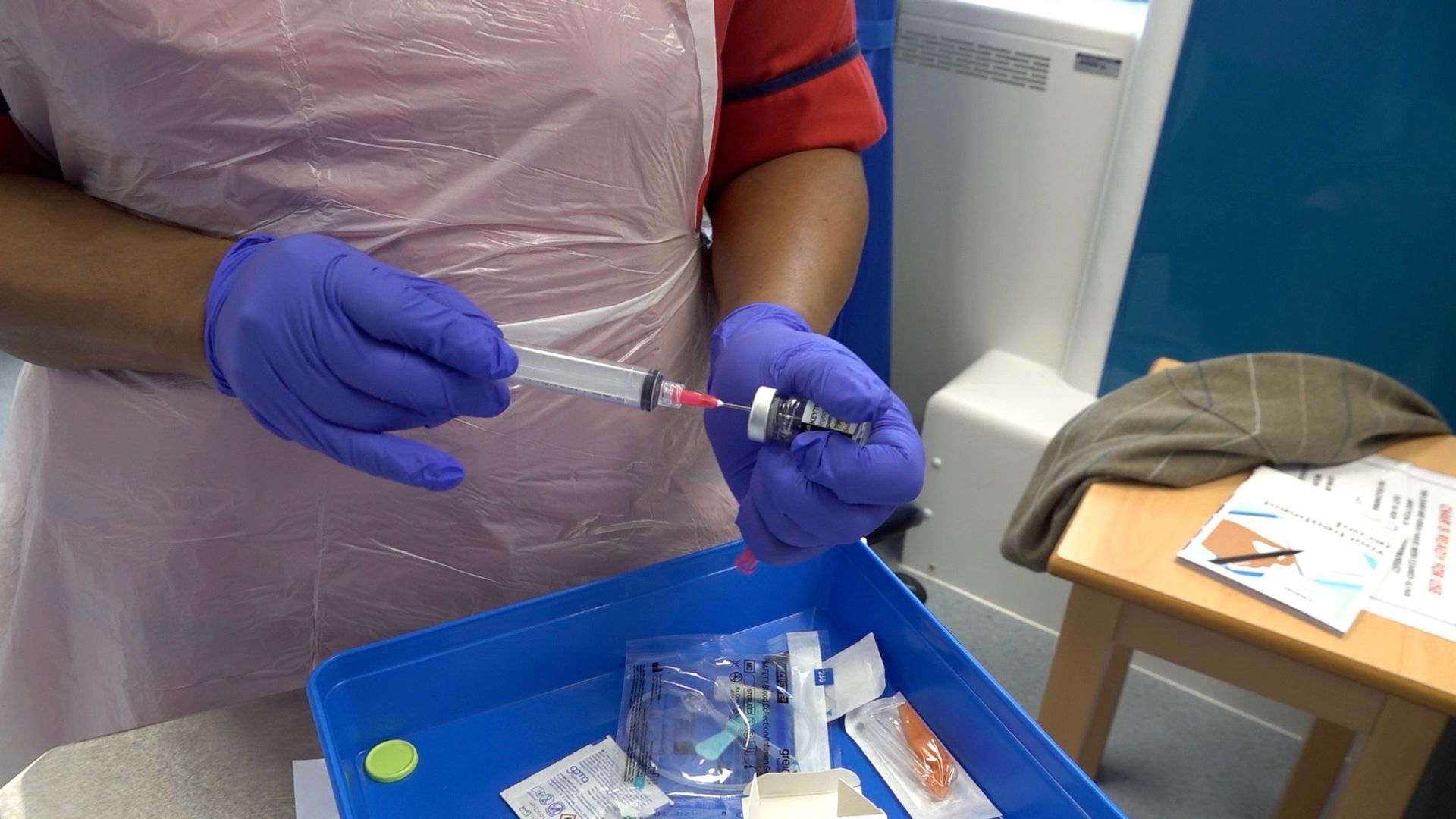
Tens of thousands of cancer patients in the UK are set to benefit from a new one-minute jab being introduced by the NHS. This groundbreaking treatment has the potential to revolutionize cancer care and improve outcomes for patients across the country.
The one-minute jab is a quick and easy way for cancer patients to receive their medication, making the process more convenient and less time-consuming. This is especially important for patients who may already be dealing with the physical and emotional toll of cancer treatment.
The new jab is set to be rolled out across NHS hospitals in the coming months, with the aim of reaching as many cancer patients as possible. This will help to ensure that all patients have access to this innovative treatment and can benefit from its potentially life-saving effects.
The one-minute jab is just one example of the ongoing efforts by the NHS to improve cancer care and outcomes for patients. By investing in new treatments and technologies, the NHS is working to ensure that all patients receive the best possible care and support during their cancer journey.
Cancer can be a devastating diagnosis, but with advancements in medical treatments and technologies, there is hope for better outcomes for patients. The introduction of the one-minute jab is a significant step forward in the fight against cancer, and could potentially help tens of thousands of patients in the UK.
As the NHS continues to prioritize cancer care and research, we can expect to see more innovations like the one-minute jab that have the potential to transform the way we treat and manage cancer. This is welcome news for patients and their families, who can now have hope for a brighter future in the fight against cancer.
Overall, the introduction of the one-minute jab is a positive development in cancer care in the UK. With the potential to benefit tens of thousands of patients, this new treatment is a welcome addition to the array of options available to those battling cancer. The NHS’s commitment to improving cancer care is evident in initiatives like this, and patients can look forward to better outcomes and quality of life as a result.