







































Labour’s recent local election results have been described as disastrous, and many are pointing to these numbers as a reason why Prime Minister Keir Starmer is facing calls to resign. The party lost control of several councils and saw a significant decline in support in key areas. But this isn’t the only issue plaguing Starmer’s leadership.
One of the key factors contributing to Starmer’s crisis in data is the lack of clear direction and messaging from the Labour Party. While the Prime Minister has tried to position himself as a moderate and unite the party, many voters are still unclear about what Labour stands for. This lack of clarity has led to confusion and frustration among voters, which has ultimately impacted the party’s performance in elections.
Another factor that has contributed to Starmer’s troubles is the ongoing internal divisions within the Labour Party. There have been tensions between the more centrist and more left-wing factions of the party, with some members openly criticizing Starmer’s leadership. This internal strife has made it difficult for the Prime Minister to effectively lead the party and present a united front to voters.
In addition to these internal challenges, Starmer has also faced criticism for his handling of key issues, such as the government’s response to the COVID-19 pandemic. Many voters have been dissatisfied with Starmer’s performance in holding the government to account and providing a clear alternative vision for the country. This has eroded confidence in the Prime Minister and the Labour Party as a whole.
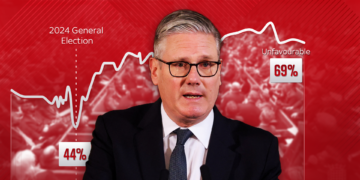
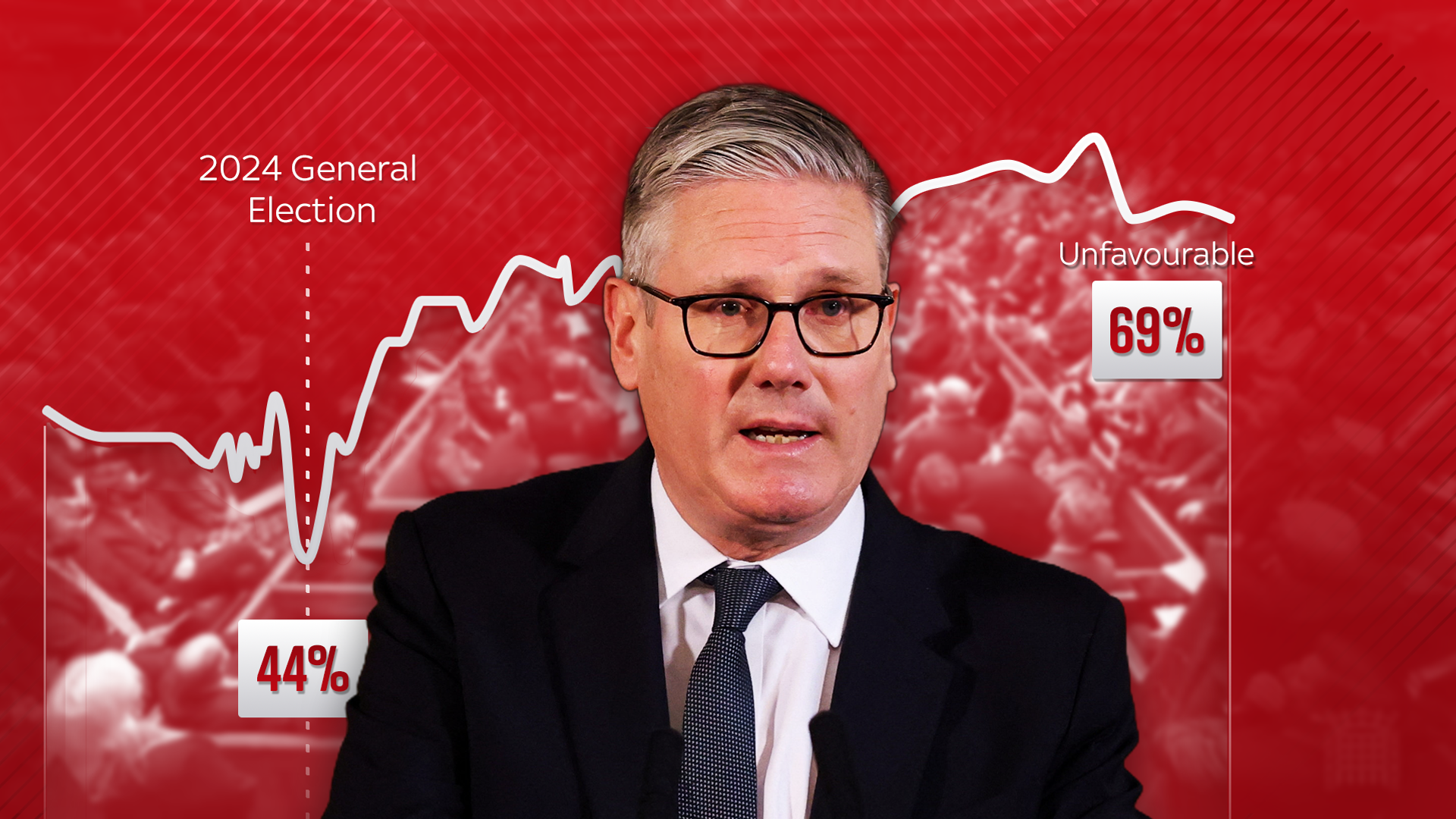
The charts that have emerged following the recent local elections paint a grim picture for Starmer and the Labour Party. The data shows a clear decline in support for the party in key areas, with many traditional Labour strongholds turning away from the party. This loss of support has raised serious questions about Starmer’s ability to lead the party to success in future elections.
Overall, Starmer’s crisis in data is a result of a combination of factors, including a lack of clear direction, internal divisions within the party, and criticism of his handling of key issues. As calls for his resignation grow louder, the Prime Minister faces a tough road ahead in trying to salvage his leadership and restore confidence in the Labour Party.